Mornington Island faces multi-million-dollar shortfall under Federal disaster funding cutback
When Tropical Cyclone Kirrily cut Ballaleah Road on Mornington Island in early 2024, residents were shut off with no alternate road to take. Under a proposed change to disaster funding by the Albanese government, the next repair bill could be one that Council simply cannot pay.
Ballaleah Road is one of the only routes across Mornington Island, linking outstations, residents and community to services, family, and traditional hunting, fishing and cultural grounds. When the cyclone and its floodwaters tore through the road, access was cut for weeks.
Investment from the Disaster Recovery Funding Arrangements (DRFA) allowed Mornington Shire Council to rebuild the road to its pre-disaster standard and reopen access to parts of the island the community depends on. It's the kind of repair Council could never have funded alone.
The proposed changes would see the Federal Government’s contribution move from an average of 65% to 50%, that would mean a 15% funding gap.
Mornington Shire has no ratepayer base to draw on when a road washes out, and no local revenue to absorb an unplanned repair bill. Council's ability to maintain and recover its network of gravel roads and creek crossings rests almost entirely on grant funding – the exact funding that the Federal Government is now proposing to cut back.
By the numbers
$6.24 million - Category A and B DRFA investment secured by Mornington Shire in 2024-25, following Tropical Cyclone Kirrily and associated flooding event
15% - the potential funding gap under the Albanese government’s proposed new Disaster Recovery Funding Framework
Almost $1 million - the shortfall Mornington Shire would have faced in 2024-25 alone, with no rate base to cover it
Mornington Shire Mayor, Richard Sewter, said the shift would put his community’s recovery, its way of life and its mental health, at risk.
"A 15% funding gap is a wall for a council with no rate base and no major industries. There is nowhere for that money to come from," Mayor Sewter said.
"Our roads are how this community stays connected to Country, to family, to everything that matters. With DRFA investment we’re able to build back better and keep our community connected. Under the new funding proposal, some of it may not come back at all."
Mayor Sewter said Mornington Island was already one of the most vulnerable communities in the country, and a funding shortfall of this scale would add further pressure to a community already doing it tough.
“These works do make a massive difference. When Ballaleah Road was back open, you could absolutely feel the community’s spirits lift.
"It's the mental health of our community that's also at risk here. We want to grow, to build opportunities for our young people and for future generations. A kick in the guts like this just throws you way back past square one.”
“The costs will just keep stacking up, and we get nowhere. It’s not just unfair, it’s unacceptable."
The Federal Government currently collects around 80% of national taxation revenue, compared with 16% for the State and 3% for local government. Shifting more disaster recovery cost onto the level of government with the least capacity to raise it will deepen the risk for remote communities like Mornington Island.
NWQROC is calling on the Federal Government to scrap the proposed 50:50 funding model and retain a funding split that reflects the real cost of disaster recovery in remote Australia.
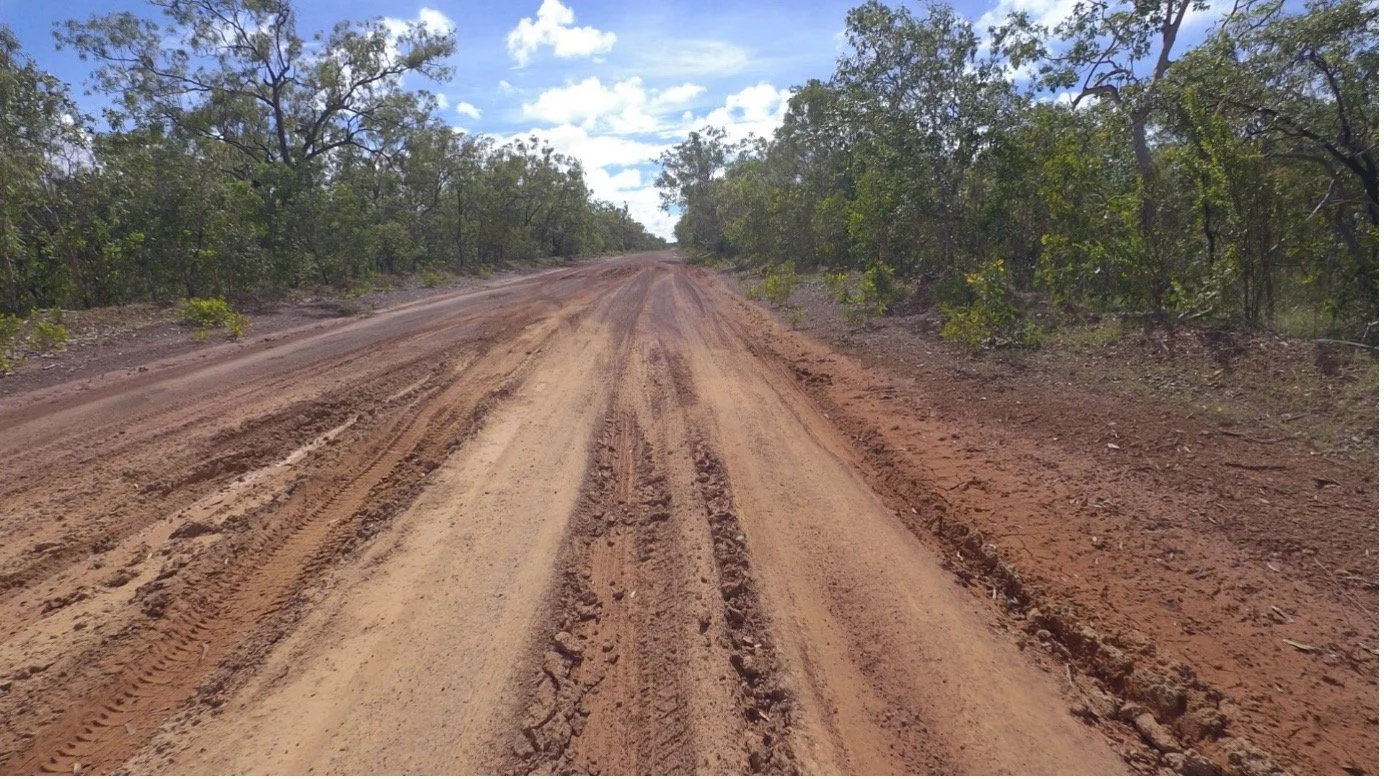
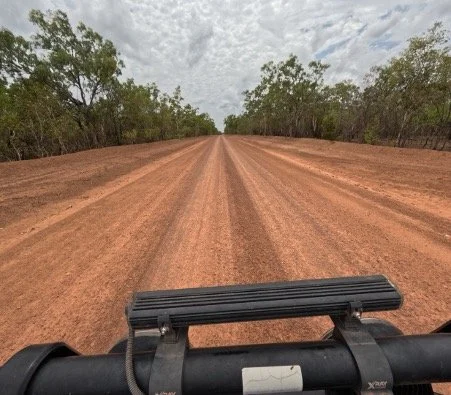
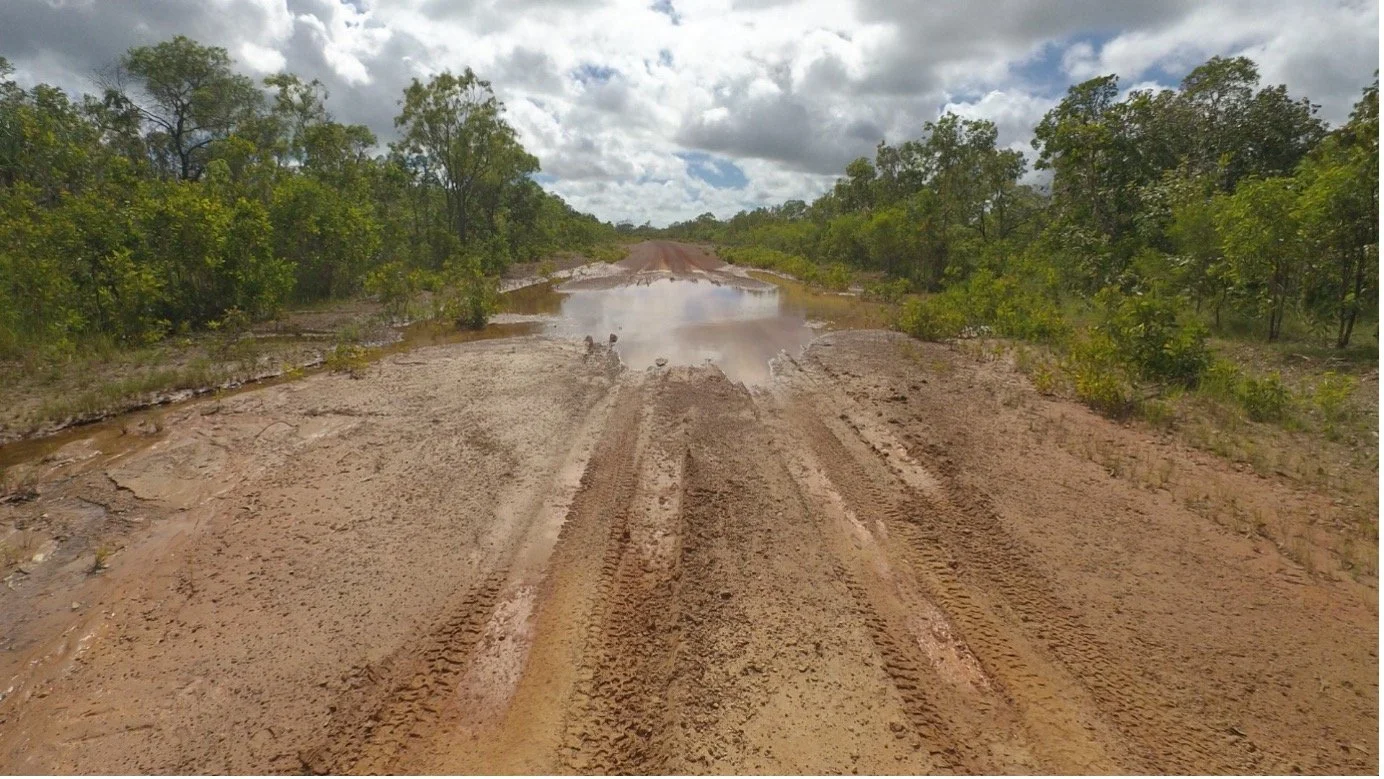
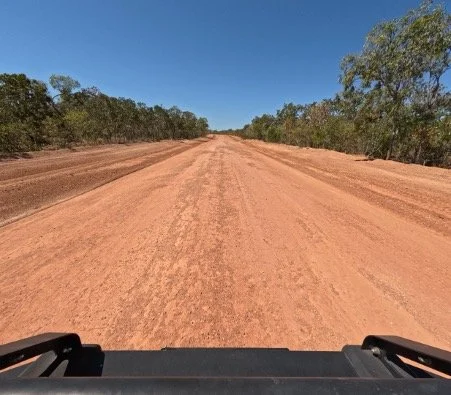
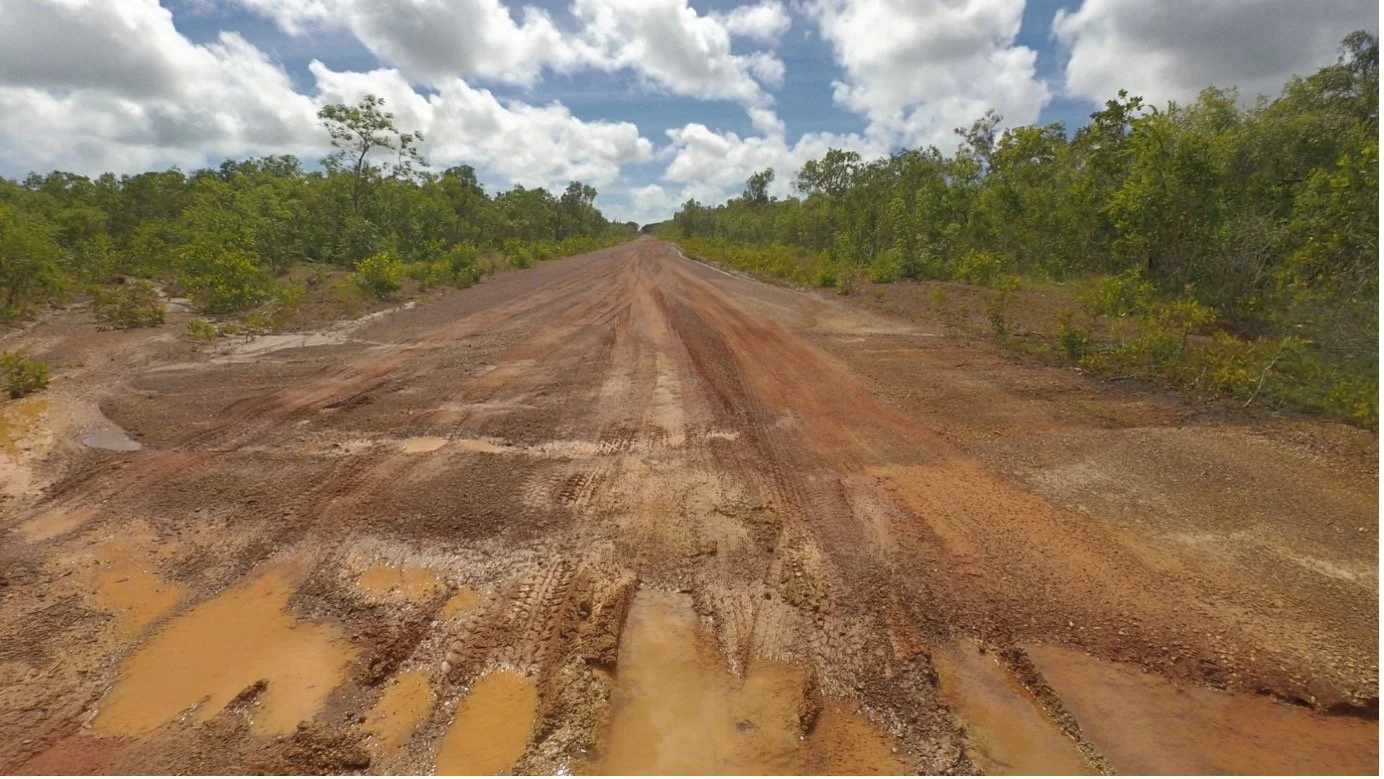
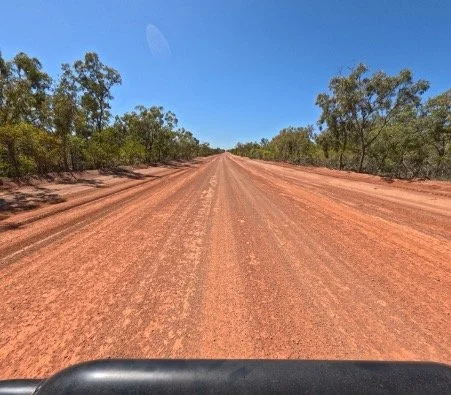
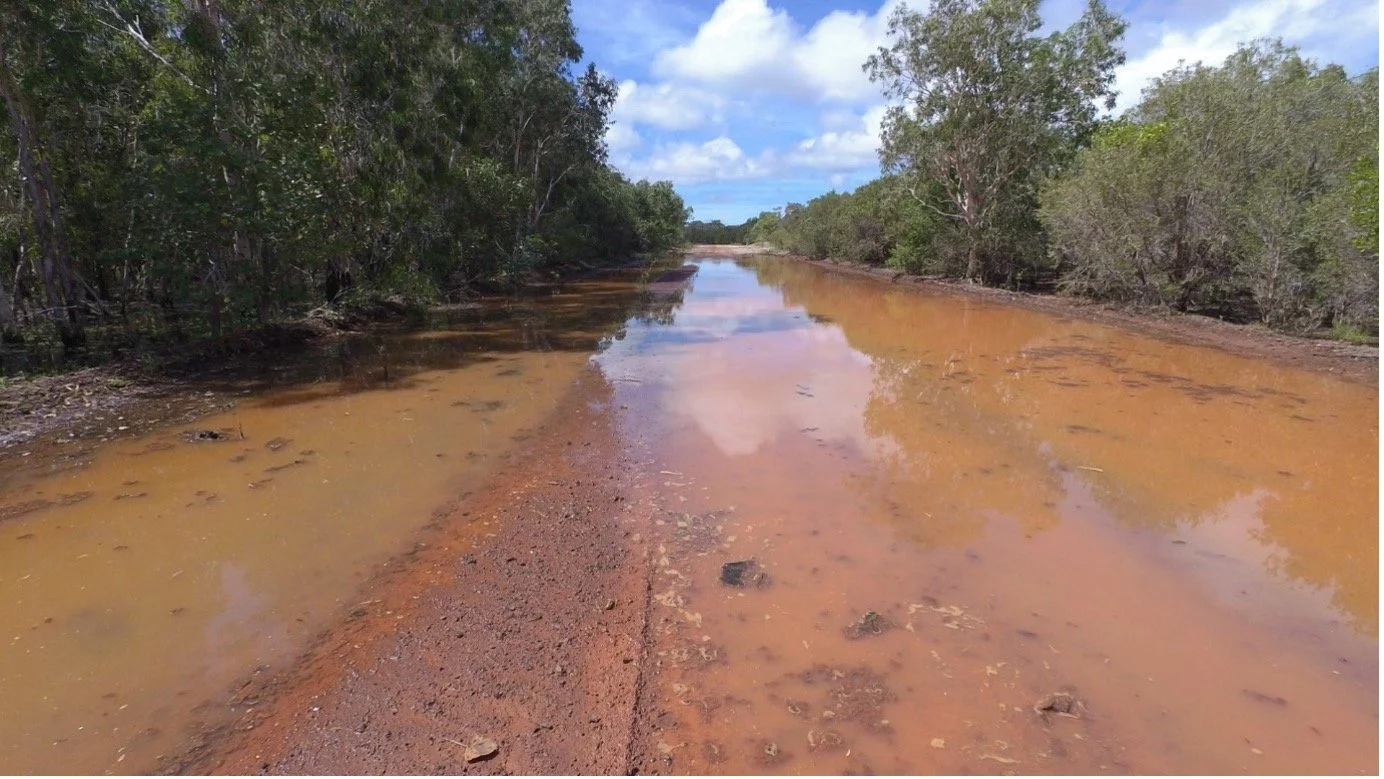
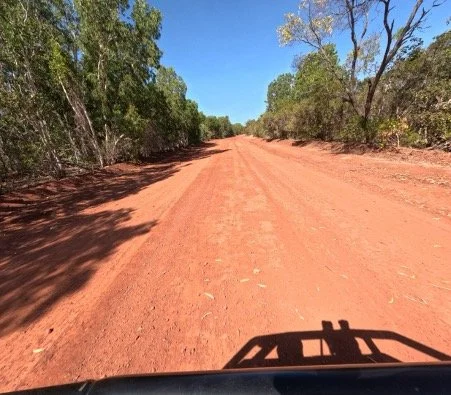
Images: Ballaleah Road, Mornington Island, following Tropical Cyclone Kirrily before and after DRFA funded repairs - Mornington Shire Council.