Rebuilding North West Qld: a regional effort
Cr Barry Hughes, NWQROC Chair & Mayor, Etheridge Shire Council
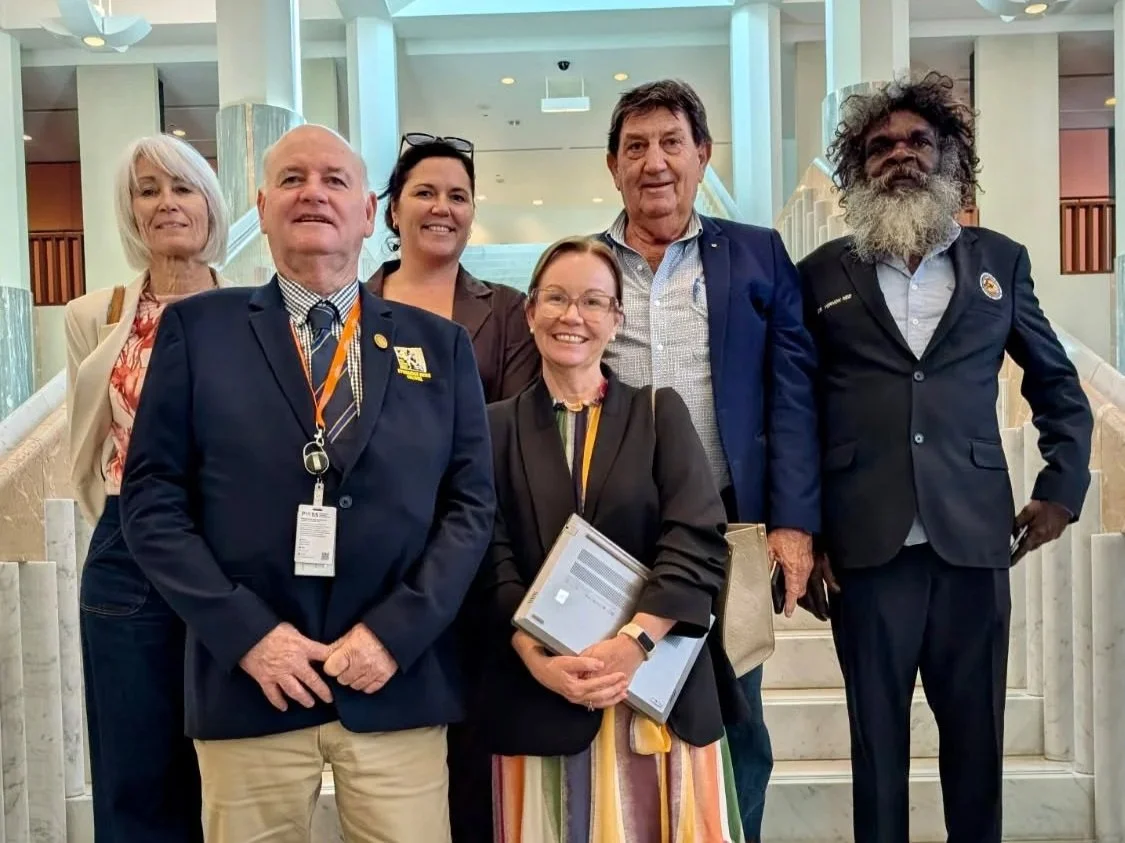
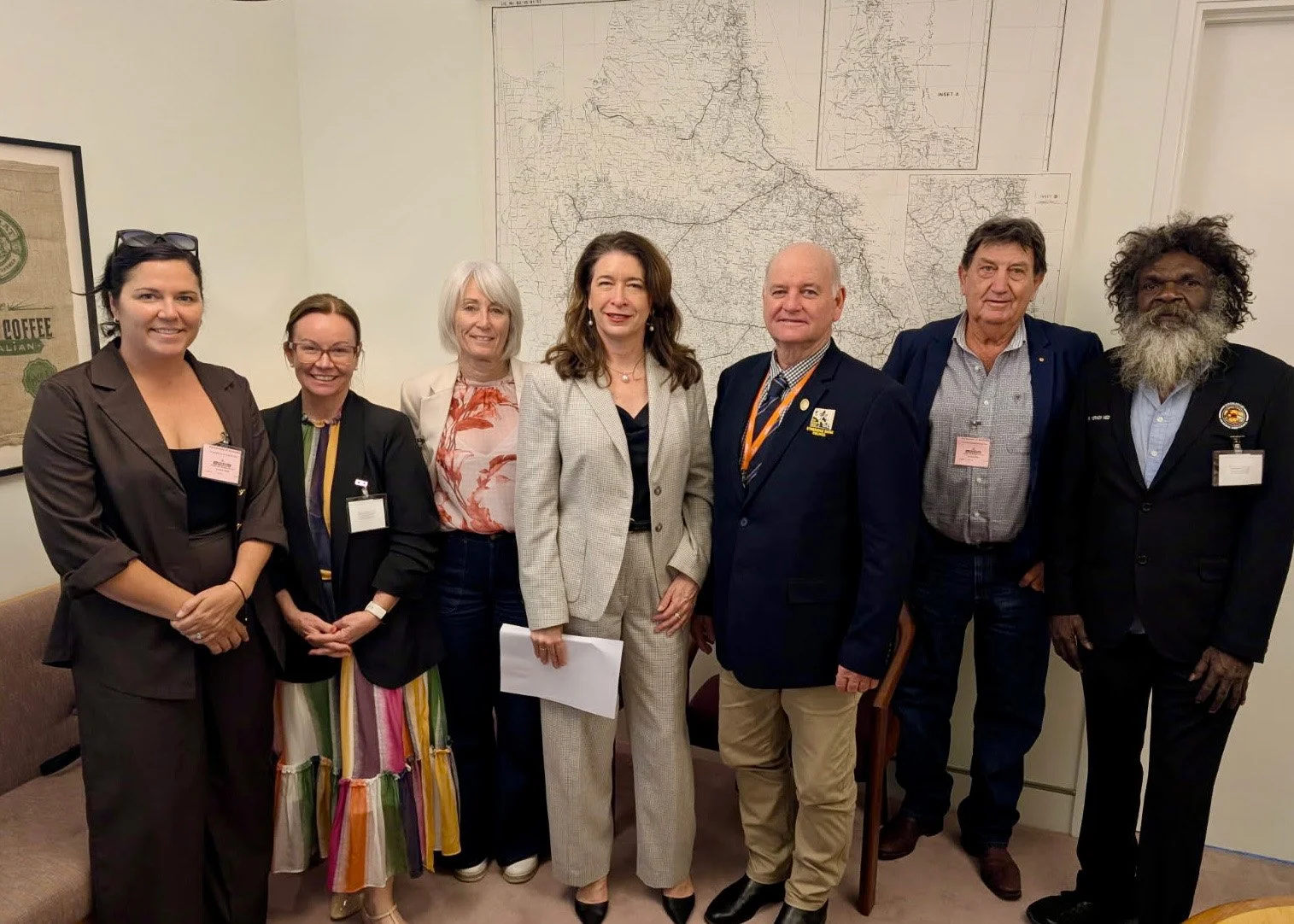
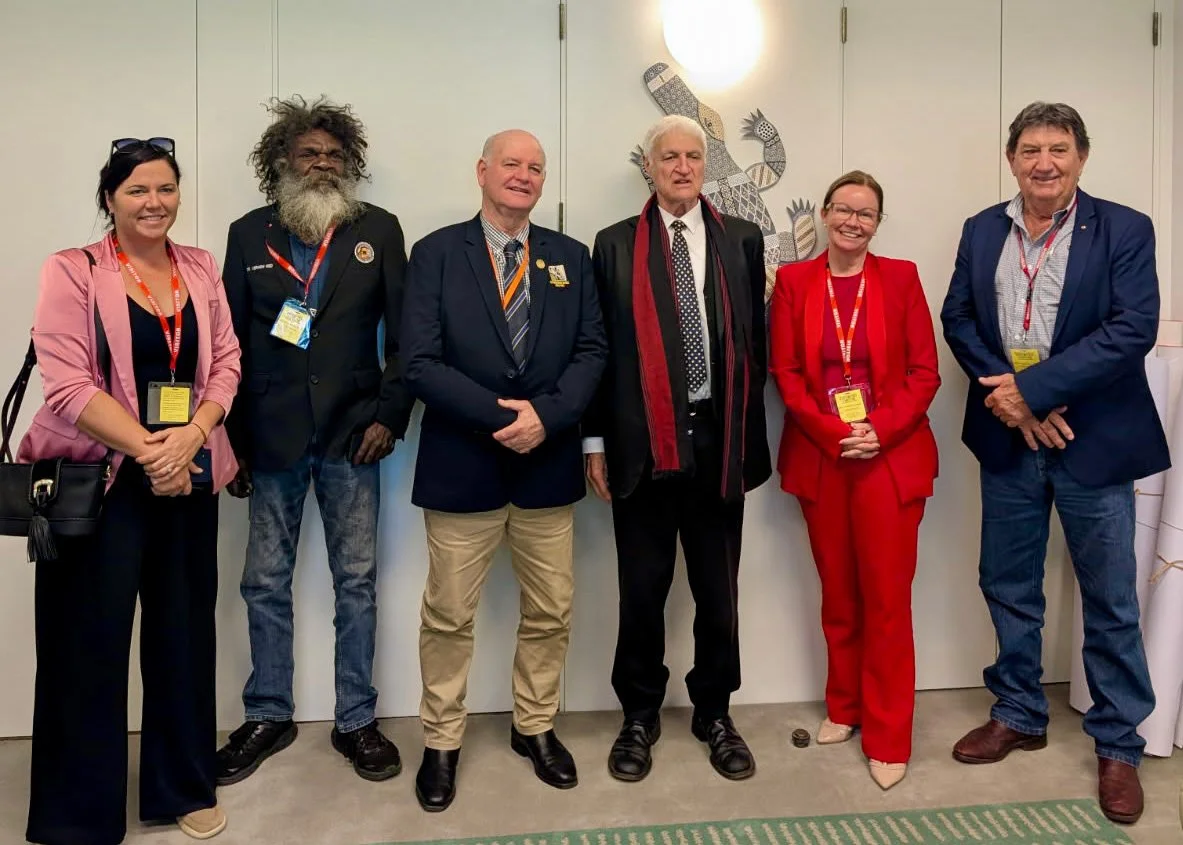
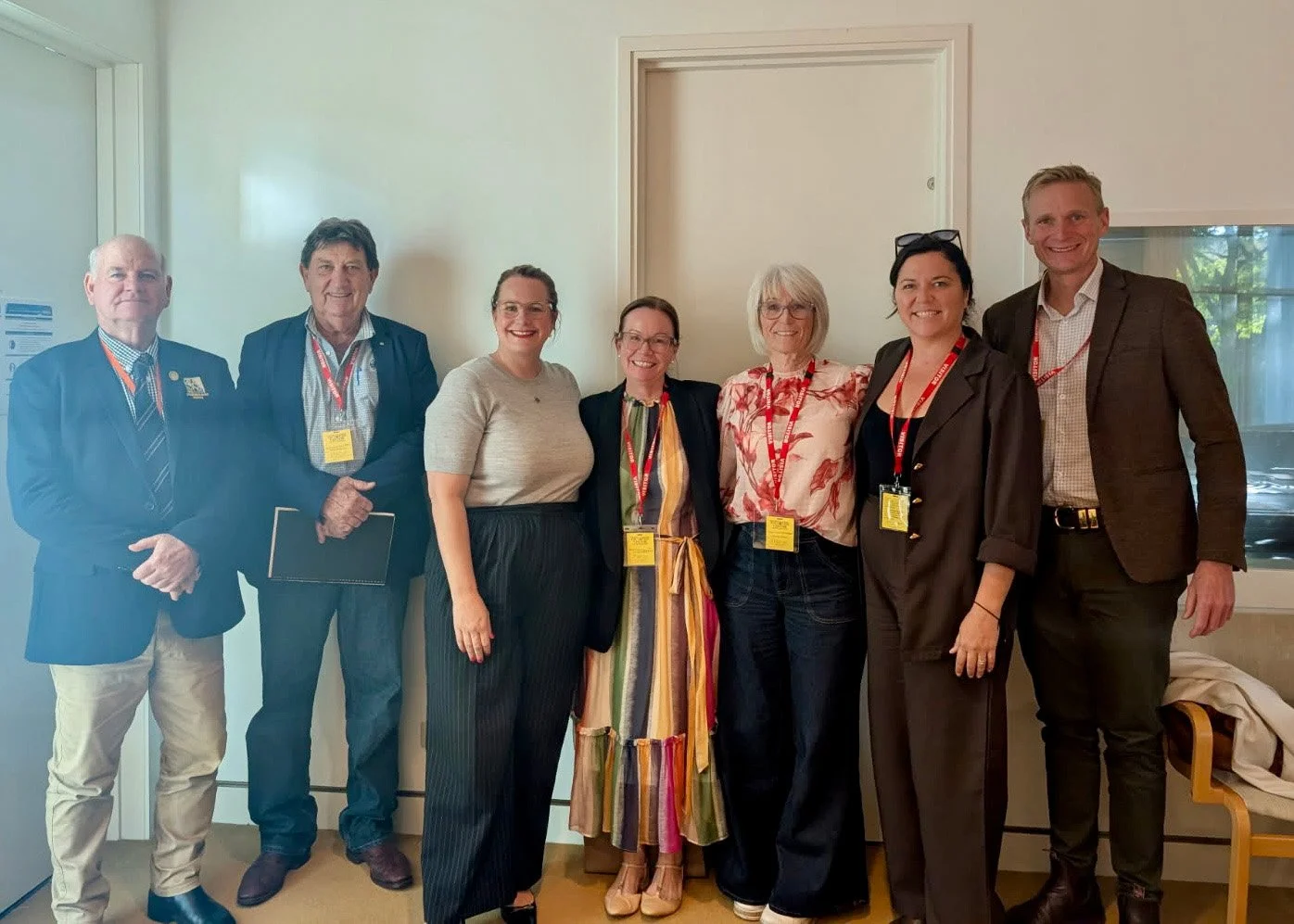
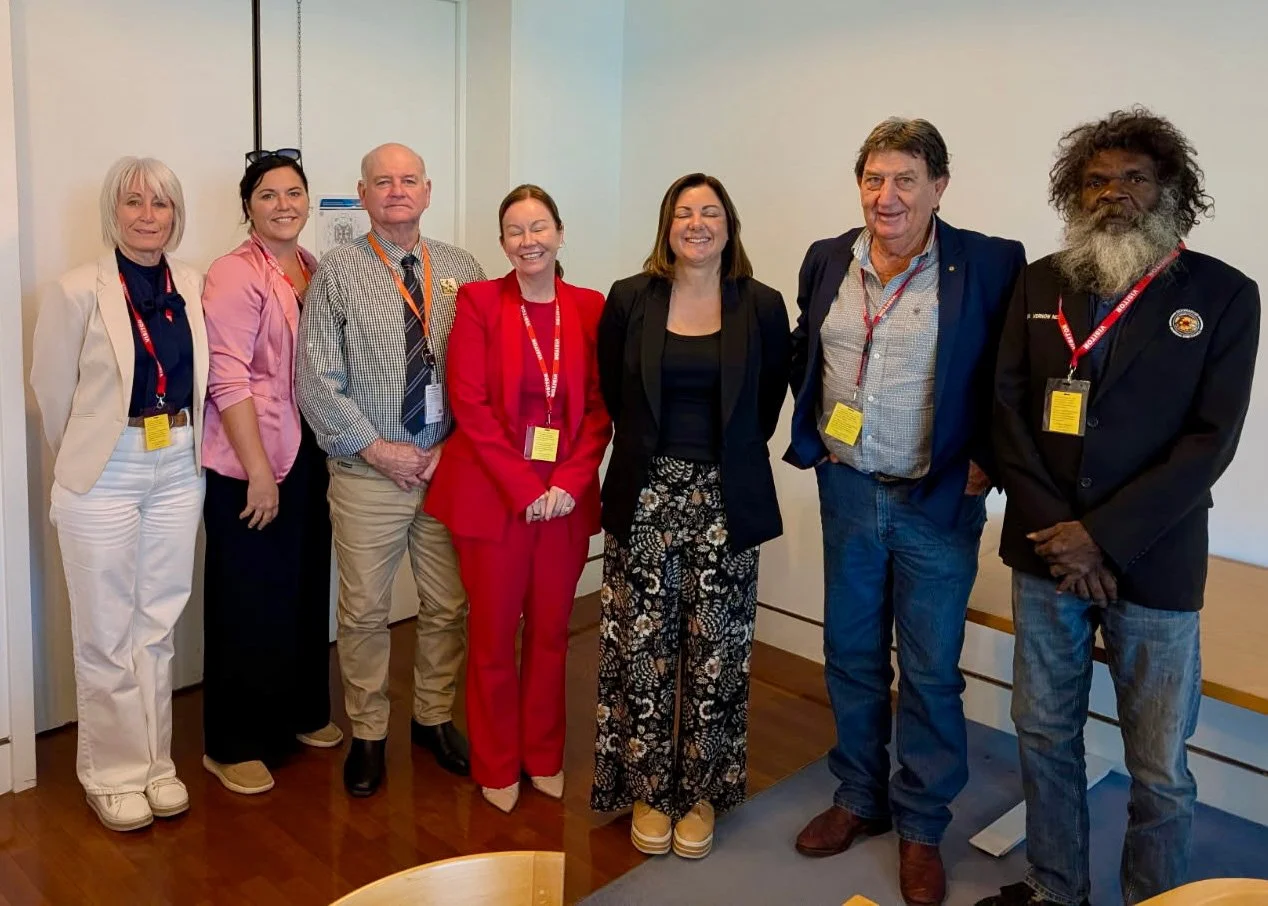
This week I was pleased to lead a delegation from the North West Queensland Regional Organisation of Councils - taking our regional priorities directly to Canberra. Top of our agenda understandably was investment in recovery and building resilience across our region.
Backed by a strong foundation in our Enabling Infrastructure Masterplan, we advocated for a stronger, more strategic approach to infrastructure investment, one that recognises the unique challenges of remote and regional Australia. We highlighted the lived experiences of our communities and made the case for long-term resilience, not just short-term fixes.
Across North West Queensland, we are no strangers to tough seasons.
But this disaster period has tested our communities in ways that go beyond damaged roads and flooded crossings. As we continue to tally up the costs and recharge for another round of rebuilding, the focus must now shift firmly to make our region stronger, more resilient, and with better infrastructure and services to stand up to what comes next.
The news cycle may have moved on, but our disaster season is far from over.
Across the Gulf, the situation is critical. The community of Doomadgee, home to around 1,800 people, has only just opened after being cut off from 27 December 2025 by a flooded Nicholson River. Further into the Gulf region, the Gilbert and Norman Rivers impacted six more communities affecting resupply and recovery efforts, with roads only just opening.
This prolonged isolation due to flood water continues to happen, and will no doubt happen again.
That level of isolation and uncertainty is not just an inconvenience - it is a profound disruption to life. Combined with the skyrocketing price and scarcity of fuel, essential supplies are harder and more expensive to access, council and local businesses are feeling the strain, and our communities are left navigating uncertainty for extended periods.
We often talk about the cost of disasters in terms of infrastructure damage or freight bills, but there is another cost that cannot be measured as easily: the toll on mental health. Prolonged isolation, limited access to services, and the stress of recovery all weigh heavily on individuals and communities. Investment in recovery and building stronger for the future is more than restoring what was there before - it must be about strengthening the systems and connections that support wellbeing.
A key part of that conversation is infrastructure resilience. If there is one lesson from this season, it is that our current networks are not keeping pace with the challenges we face.
Strategic investments, like a bridge over the Nicholson River, have the potential to fundamentally change outcomes for communities like Doomadgee. Upgrading the Gilbert River and strengthening the Norman River crossing will not only have an impact for local communities, but for industry and transport across northern Australia.
This is not simply about convenience; it is about alleviating impacts to access, reducing the risk of isolation, and providing certainty for residents, businesses, and service providers.
These are not small-ticket items, and that is where the role of regional collaboration becomes critical. Local governments across the North West are working hard to maintain essential services, but we are doing so under increasing financial pressure. The reality is that councils cannot shoulder this burden alone. Financial sustainability in local government is an ongoing challenge, and disaster recovery only adds to that strain.
That is why a coordinated, regional approach is so important. By working together councils, state, and federal governments can prioritise investments that deliver the greatest benefit across the region. It is about getting the best bang for buck, ensuring that funding is directed where it will have the most lasting impact, and avoiding piecemeal solutions that fail to address the bigger picture.
Rebuilding the North West is not just a local issue; it is a national one. The productivity of our region, from agriculture to mining to tourism, relies on reliable infrastructure and connected communities. When parts like the Gulf are cut off for months, the impacts ripple far beyond our borders
Our region has always been defined by its resilience. But resilience should not mean simply enduring hardship, it should mean having the tools, infrastructure, and support to withstand and recover from challenges more effectively each time.
As we rebuild, we have an opportunity to do things differently. To think regionally, act strategically, and invest wisely.
If we get this right, we will not only restore what has been lost we will build a stronger future for the North West.