North West leaders raise alarm at short-sighted electoral boundary changes
North West Queensland mayors have voiced strong opposition to the proposed state electoral boundary changes, warning they will diminish the voice of remote communities and undermine critical collaboration.
Representing the region’s 12 councils, the North West Queensland Regional Organisation of Councils (NWQROC) says the draft redistribution, which would see the electorate of Traeger renamed Flinders and expanded east to incorporate part of the abolished seat of Hill, fails to reflect reality on the ground.
The group is calling for greater consideration to the unique circumstances of remote and regional communities and a fair balance of representation for North Queensland.
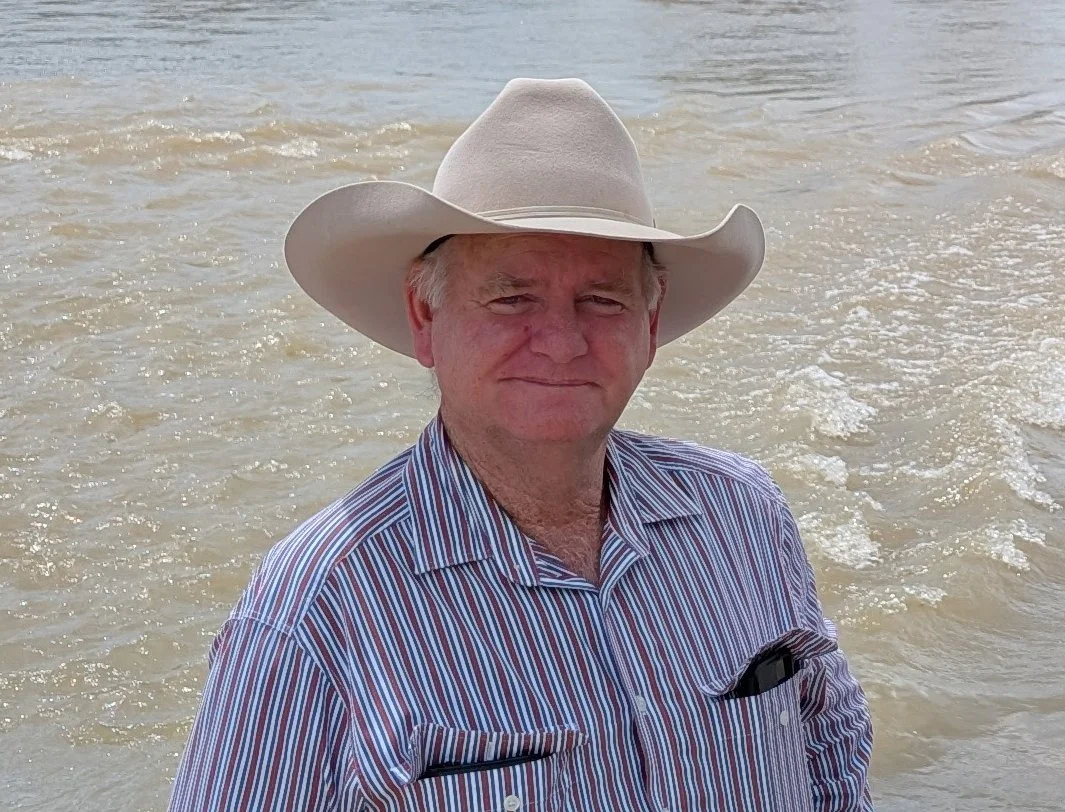
NWQROC Chair Cr Barry Hughes said the proposal was deeply concerning.
NWQROC Chair and Etheridge Shire Mayor Barry Hughes said the proposal was deeply concerning for communities, councils and industry across the North West.
“We are absolutely opposed to this change,” Mayor Hughes said. “Our communities help power Queensland’s economy and deserve fair representation in State Parliament.”
“From a broader context, the ROCs are the grassroots vehicle that advocates on behalf of our regions, our work will just become harder and more convoluted. The synergies we have working will be completely turned on their head - we’re talking remote outback communities trying to be heard over the top of voices from eastern communities that have vastly different priorities then ours.”
“We’ve been through this before. When electorates become too large and disconnected, local issues get pushed aside because they’re seen as niche.”
“Representation must reflect our realities. North West communities have strong relationships across western and inland regions. Breaking those connections just to meet a population number risks pushing our communities further down the list when decisions are made in Brisbane.”
“North West Queensland deserves strong and effective representation in Parliament, not a tick a box solution that diminishes our voice.”
NWQROC Deputy Chair and McKinlay Shire Mayor Janene Fegan said the changes would make it harder for remote communities to stay connected with their local member.
“Our current member already covers vast distances,” Mayor Fegan said. “This proposal will stretch that even further to the opposite side of the state where tropical hinterland communities look to Cairns as their service centre and face vastly different issues.
“It will mean less opportunity for our communities to connect with their representative and have their voices heard.”
Mayor Fegan said the proposal also risked undermining the region’s strong track record of working together.
“North West Queensland has worked hard to build a collaborative regional approach to solving issues and making government investment go further,” she said.
“We’ve shown that when regional communities work together with government, we can deliver real outcomes. Weakening this and our elected voice risks undermining the progress we’ve made.”
Flinders Shire Mayor Kate Peddle has also raised concerns about the proposed renaming of the electorate of Traeger to Flinders.
“Adopting the name 'Flinders' for the State electorate could create confusion with Flinders Shire Council and potentially dilute the distinct identity of our local government area,” Mayor Peddle said.
“Flinders Shire has a long and proud identity as a local government area.”
“It’s important that residents can clearly distinguish between the role of their local council and the State electorate that represents them,” she said.
Burke Shire Mayor Ernie Camp also shared in the concerns and highlighted the importance of the name Traeger to communities across North West Queensland.
“Alfred Traeger’s work alongside John Flynn helped establish the communications systems that became the backbone of safety and connection for remote residents through the Royal Flying Doctor Service.”
“The legacy Traeger represents remains deeply relevant today. Remote communities still rely on the same spirit of innovation, resilience and practical solutions to stay connected and supported across vast distances,” Mayor Camp said.
“Electoral boundaries should reflect the real corridors that connect remote communities across northern and inland Queensland, including transport routes, service delivery networks and long-standing economic relationships that link Gulf and North West communities in practical ways that are not always visible on a map.
“Any redistribution should carefully consider these connections to ensure representation reflects how remote communities actually live, work and rely on one another," he said.
NWQROC will be addressing these concerns through feedback to the Queensland Redistribution Commission.