DRFA case study: Mornington Shire Council
Ballaleah Road, Mornington Island
A 50:50 disaster recovery funding model would make recovery harder, slower and less certain for remote councils like Mornington Shire. It would shift more cost and risk onto communities with the least capacity to absorb it.
For Mornington Island, disaster recovery funding is about keeping an isolated community connected to the places, services and way of life that matter.
Following Tropical Cyclone Kirrily and associated rainfall and flooding in early 2024, Ballaleah Road sustained significant damage, restricting access for remote outstations, local residents and community members who rely on the road as a principal access route across the island.
Through the Disaster Recovery Funding Arrangements, Mornington Shire Council was able to restore the road to its pre-disaster condition and reopen reliable access to parts of the island that are deeply important to the community.
This was more than a road repair. It meant families could reconnect, outstations could remain accessible, and community members could continue travelling on country for traditional hunting, fishing, cultural connection and day-to-day activities.
Mornington Island is one of Queensland’s most remote communities. The Council has no traditional rate base and limited local revenue sources, with its ability to maintain and recover essential infrastructure heavily reliant on grant funding. With a road network made up largely of gravel roads and informal creek crossings, severe weather can cause widespread and costly damage very quickly.
With reduced DRFA assistance, the cost of repairing damage after major weather events would be beyond Council’s capacity. Roads could remain damaged for longer, access could stay restricted, and the community would carry the consequences long after the floodwaters have gone.
Disaster event: Tropical Cyclone Kirrily and associated rainfall and flooding
DRFA delivered: restored road access, reconnection to outstations, support for cultural and community access, and recovery works that Council could not have delivered alone.
What’s at risk: Mornington Island’s ability to recover from future disasters, restore its gravel road network, maintain access across the island, and protect a remote community’s way of life.
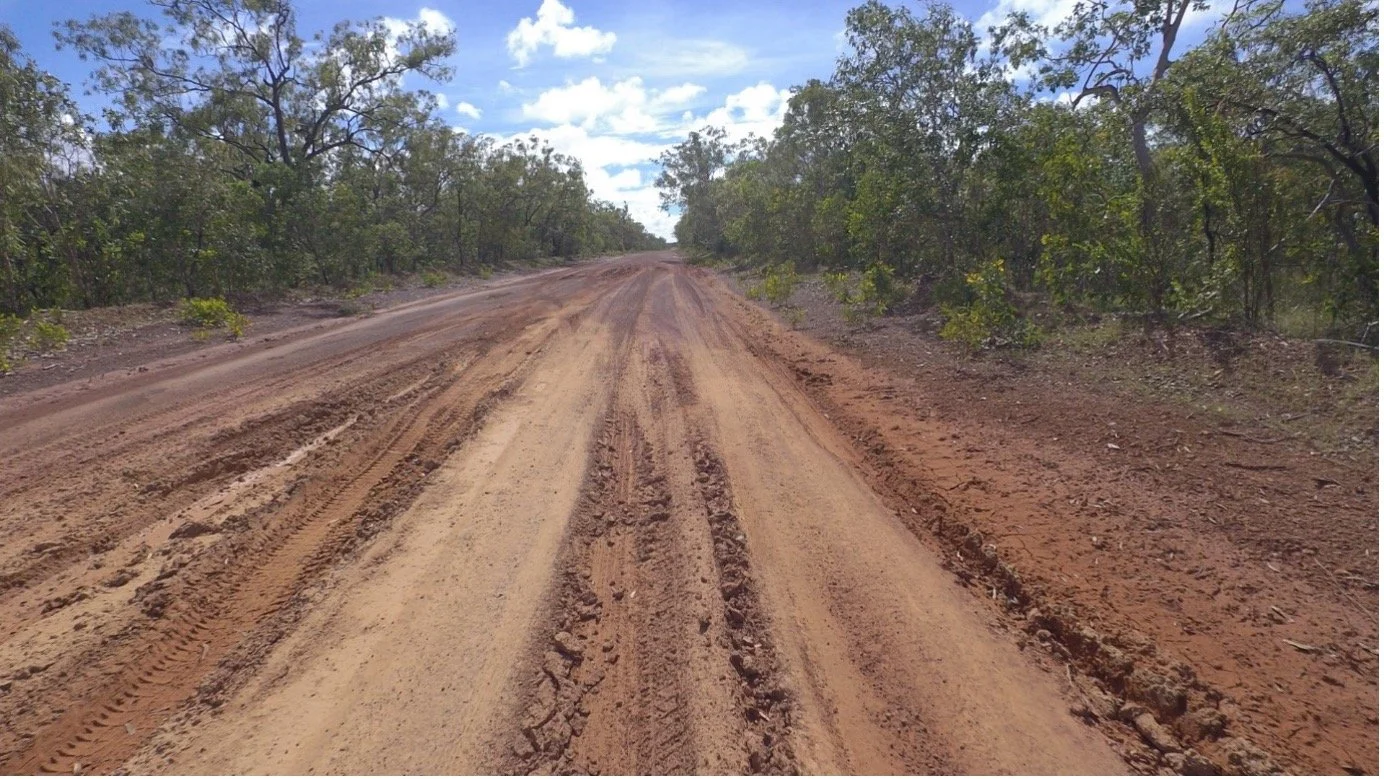
Damage site 1
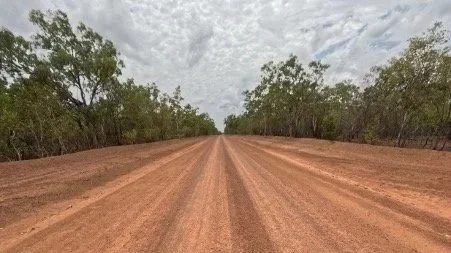
Completion site 1
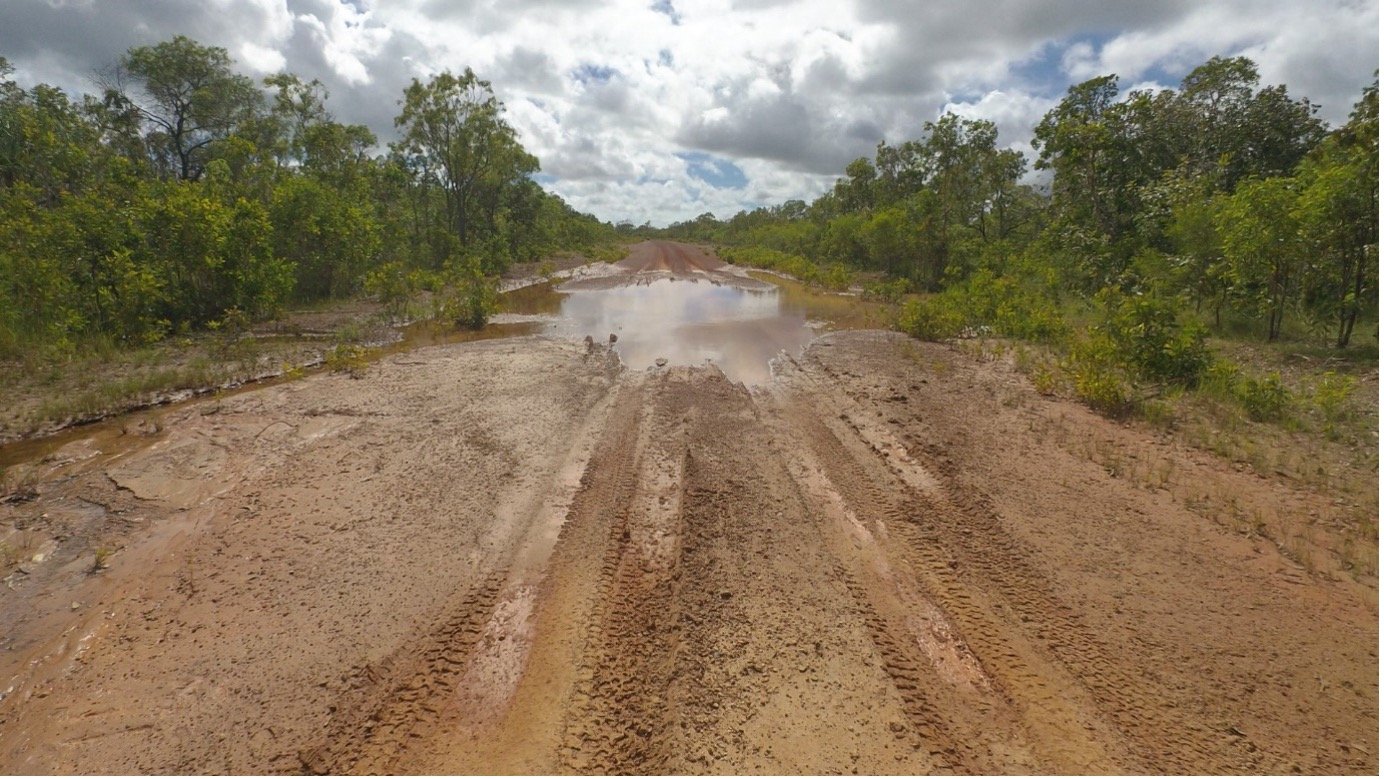
Damage site 2
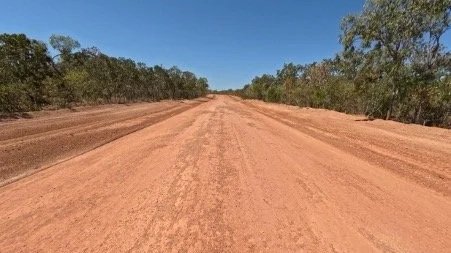
Completion site 2
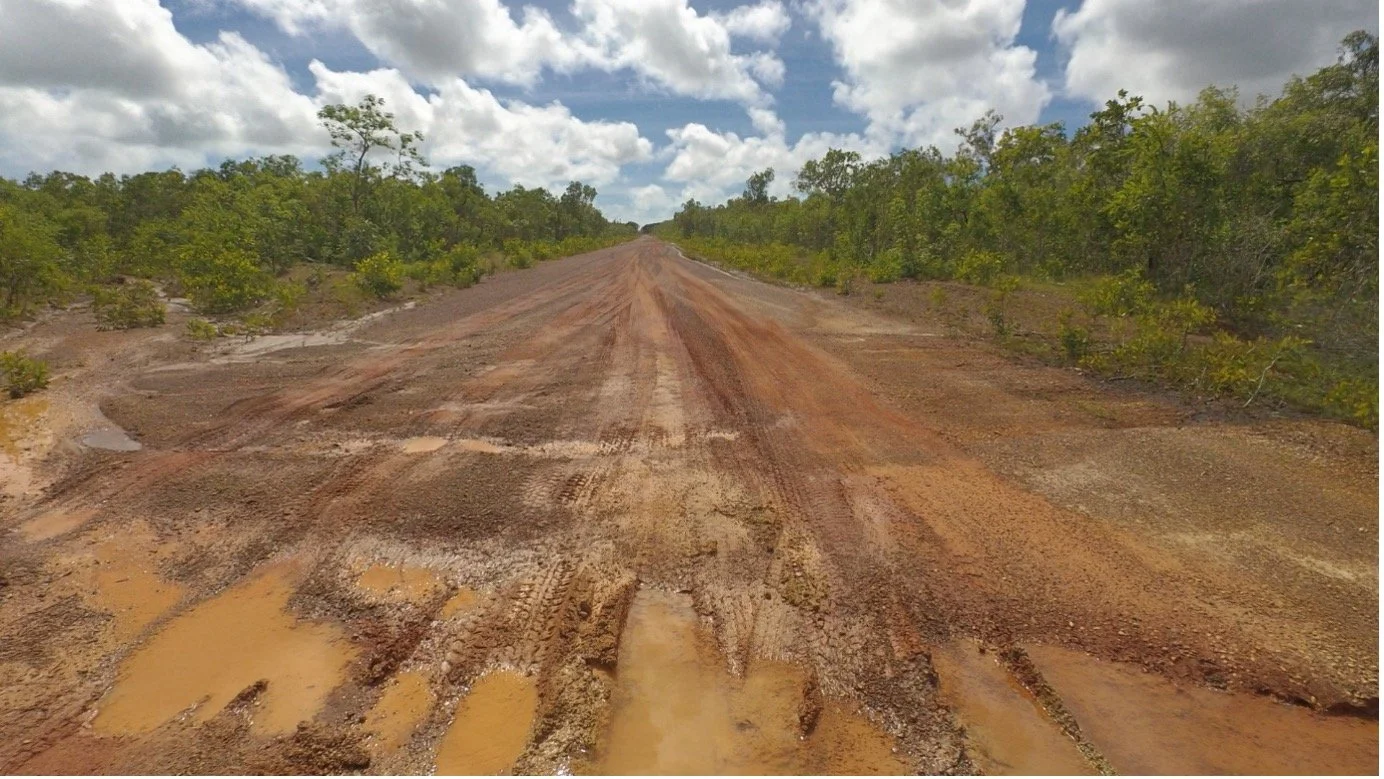
Damage site 3
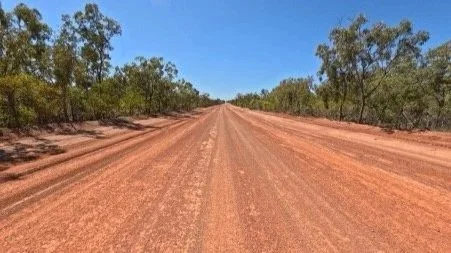
Completion site 3
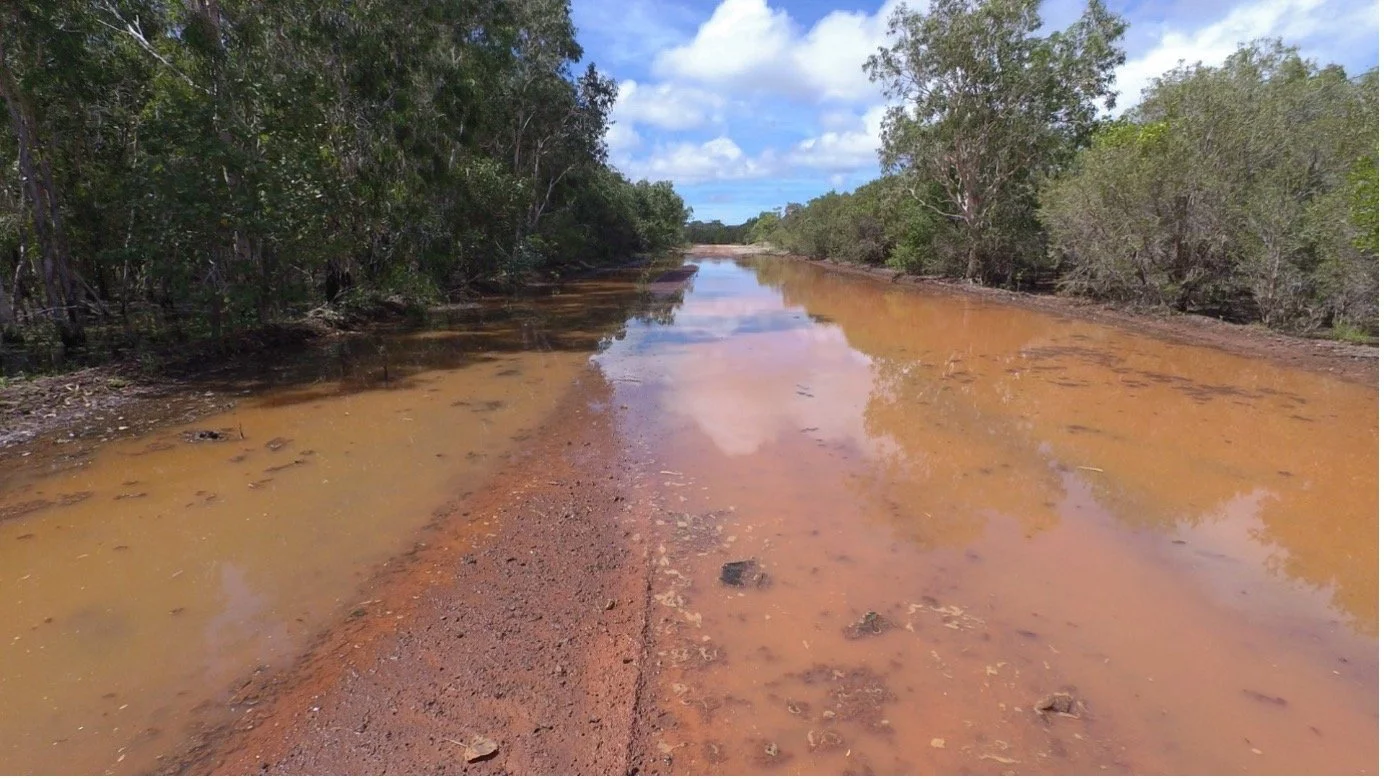
Damage site 4
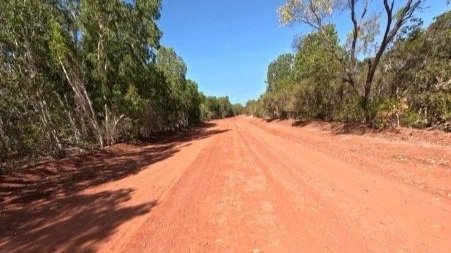
Completion site 4